
The Avocado Pit (TL;DR)
- 🧠 AI meets MRI: A new algorithm peeks into the brainstem, mapping nerve bundles.
- 🔍 Spot the difference: Detects injuries and diseases in live scans.
- 🎯 Precision matters: Operates with the finesse of a brain surgeon's scalpel.
Why It Matters
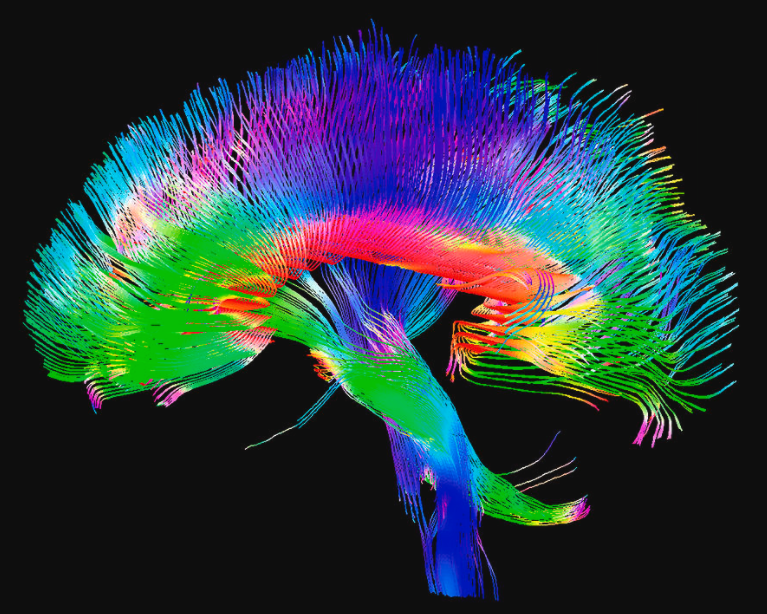
Welcome to the brainstem, that sneaky part of the brain that’s often as mysterious as the Bermuda Triangle. Thanks to some brainy folks at MIT, we now have an AI-powered tool that can spot nerve bundles in live diffusion MRI scans like a hawk spotting a mouse from miles away. This isn’t just your average tech upgrade; it’s a game-changer for diagnosing brain injuries and diseases with precision that’s almost uncanny.
What This Means for You
For those of you whose MRI scans might as well be abstract art, this AI algorithm is your new BFF. It means quicker, more accurate diagnoses and potentially fewer visits to the neurologist. Plus, it’s like having a superpower that lets doctors see things they couldn’t before, making brain health checks less of a guessing game and more of a science.
The Source Code (Summary)
This AI marvel, courtesy of MIT’s sharp minds, makes tracking white matter pathways in the brainstem almost look easy. By finely resolving distinct nerve bundles in live diffusion MRI scans, it opens a new window into the brain’s control center. This tool not only reveals signs of injury or disease but does so in real-time, offering insights that were previously hidden in the shadows.
Fresh Take
In the world of tech, this AI development is akin to finding a treasure map leading straight to the Fountain of Youth—it's a big deal. It gives neurologists the ability to diagnose conditions with the precision of a laser-guided missile. While we might not be able to control our brainwaves with our smartphones just yet, this step forward in medical imaging is as close as it gets to having X-ray vision. So, next time you hear "AI in healthcare," remember it's not all about robots taking over; sometimes, it's about seeing what was once invisible.
Read the full MIT News - Artificial intelligence article → Click here