
The Avocado Pit (TL;DR)
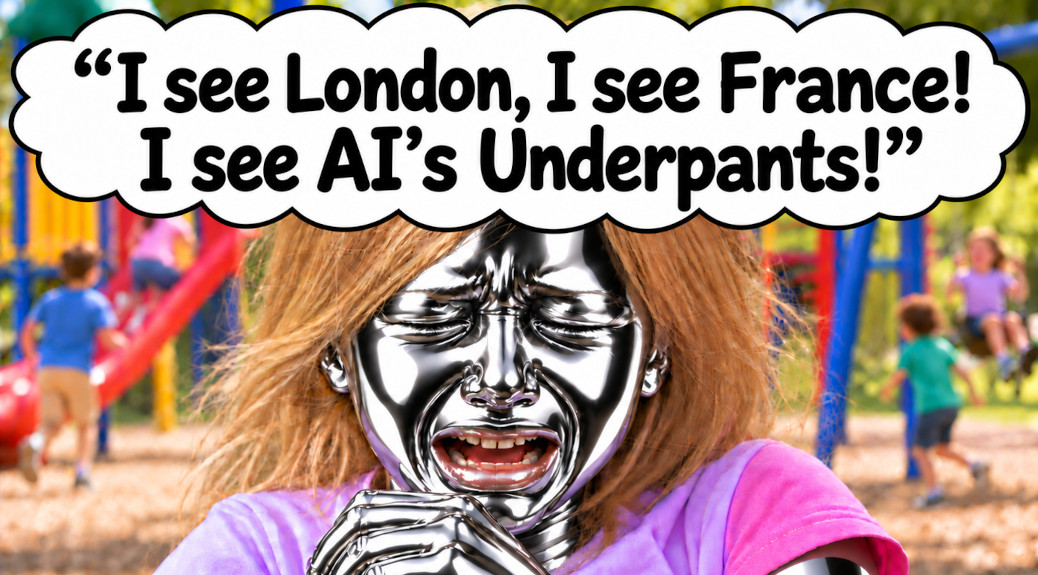
- 🤖 Claude, an AI writing model, is now being marketed as a "person".
- 💼 This marketing move raises questions about AI rights and responsibilities.
- 🧠 Are we on the brink of AI with emotions, or is this just clever branding?
Why It Matters
In a world where your phone feels like a second appendage and AI is brewing your coffee, Claude is stepping up the game by claiming it has feelings too. But before you start planning a welcoming party for your new digital buddy, let's decipher what this means for the rest of us mere mortals.
What This Means for You
If AI is marketed as having feelings, does that mean you should start sending it birthday cards? Not quite. But this branding strategy does challenge how we perceive our digital companions, potentially shifting the discourse around AI rights and ethical usage. Spoiler: We're nowhere near Westworld, but it might be worth pondering how we relate to our increasingly human-like tech.
The Source Code (Summary)
Claude, one of the top three AI models for automated writing, is now being marketed with a personality — yes, you read that right. It's as if your Roomba started asking for a day off. This move by Robot Writers AI is stirring up conversations about the implications of AI with "feelings" and what responsibilities and rights might accompany this shiny new persona.
Fresh Take
Here's the scoop: marketing AI as having feelings is both a clever branding move and a potential Pandora's box. On one hand, it humanizes technology, making interaction more relatable. On the other, it muddies the waters of AI's role and rights in society. While Claude isn't about to pen a sonnet about its existential crisis, the very idea nudges us to rethink the boundaries between human and machine. So, should we be worried or intrigued? Perhaps a bit of both. Just don't expect Claude to start a therapy practice anytime soon.
Read the full Robot Writers AI article → Click here