The Avocado Pit (TL;DR)
- 🤖 AI is eager to take over jobs, but let's not let it step into our personal lives.
- 🧠 Human connections are vital; AI can't replace our emotional intelligence.
- 💼 While automating tasks is inevitable, balancing tech and humanity is key.
Why It Matters
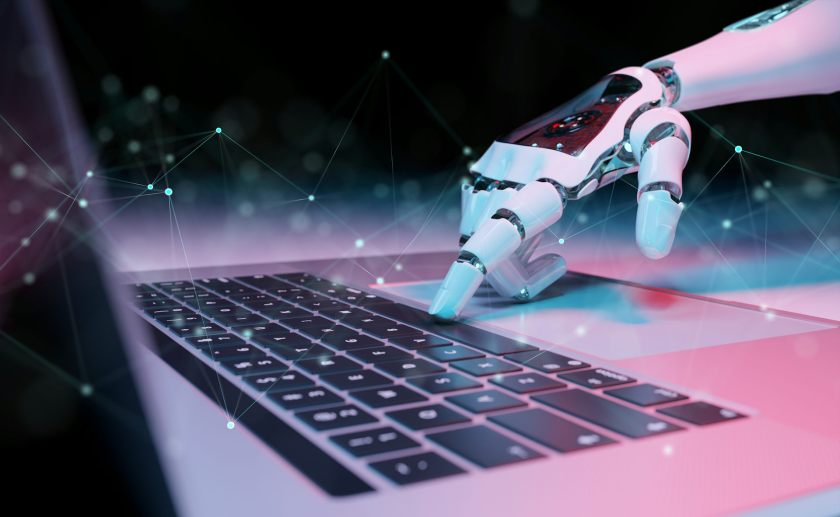
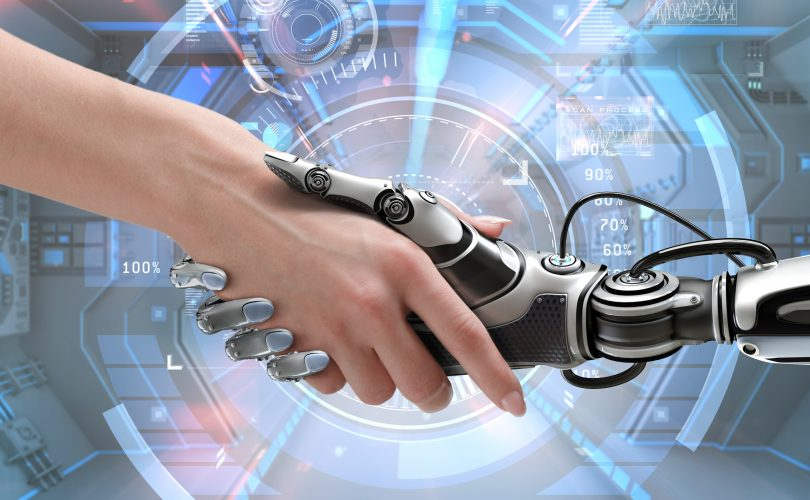
AI is like that overly enthusiastic intern who wants to do everything—except AI doesn't need coffee breaks. While it's great at crunching numbers and sorting your email chaos, there's a line we shouldn't cross: allowing AI to replace our human connections. As we increasingly integrate AI into workplaces, it's crucial to ensure that the human touch isn't lost in translation—because who wants a robot as a best friend?
What This Means for You
If you're in a job that AI has its eyes on, it's time to sharpen those uniquely human skills—like empathy, creativity, and turning a lunch meeting into a bonding moment rather than a binary transaction. Relationships require emotions, unpredictability, and the occasional awkward silence—things AI can't quite master. So, focusing on soft skills could be your best defense against a robot uprising in your social circle.
The Source Code (Summary)
The original article from USA Today highlights the growing concern about AI's role in the workplace and its potential impact on personal relationships. As AI continues to develop capabilities that rival human jobs, there's a risk of it encroaching into areas that require genuine human interaction. The piece argues for a balance between leveraging AI for efficiency and preserving the human aspects of work and life that machines can't replicate.
Fresh Take
Let's face it: while AI can do a lot, it still can't give you a hug on a bad day or laugh at your terrible jokes. As we march towards a future where AI might handle more tasks, we must guard our emotional spaces fiercely. Human relationships aren't just about efficiency; they're messy, unpredictable, and uniquely ours. Let's keep it that way, and maybe, just maybe, save a little room in our lives for delightful human imperfections.
Read the full USA Today article → Click here