
The Avocado Pit (TL;DR)
- 🌊 AI is playing a significant role in the escalating tensions in the South China Sea.
- 🇵🇭 The Philippines is leveraging AI for monitoring and strategy in disputed waters.
- 🤖 While AI offers benefits, it also raises the stakes and complexities in geopolitical conflicts.
Why It Matters
Artificial intelligence, the tech world's favorite overachiever, is now making waves—quite literally—in the South China Sea. The Philippines is using AI to monitor disputed waters, a move that has stirred the pot of already simmering geopolitical tensions. So, what does this mean for the region and the global community?
What This Means for You
If you're someone who likes to keep tabs on international relations, or if you're just a fan of tech's potential to both solve and create problems, this is a story you want to follow. The use of AI in the South China Sea could set precedents for future tech-driven geopolitical strategies and could impact everything from trade routes to military standoffs.
The Source Code (Summary)
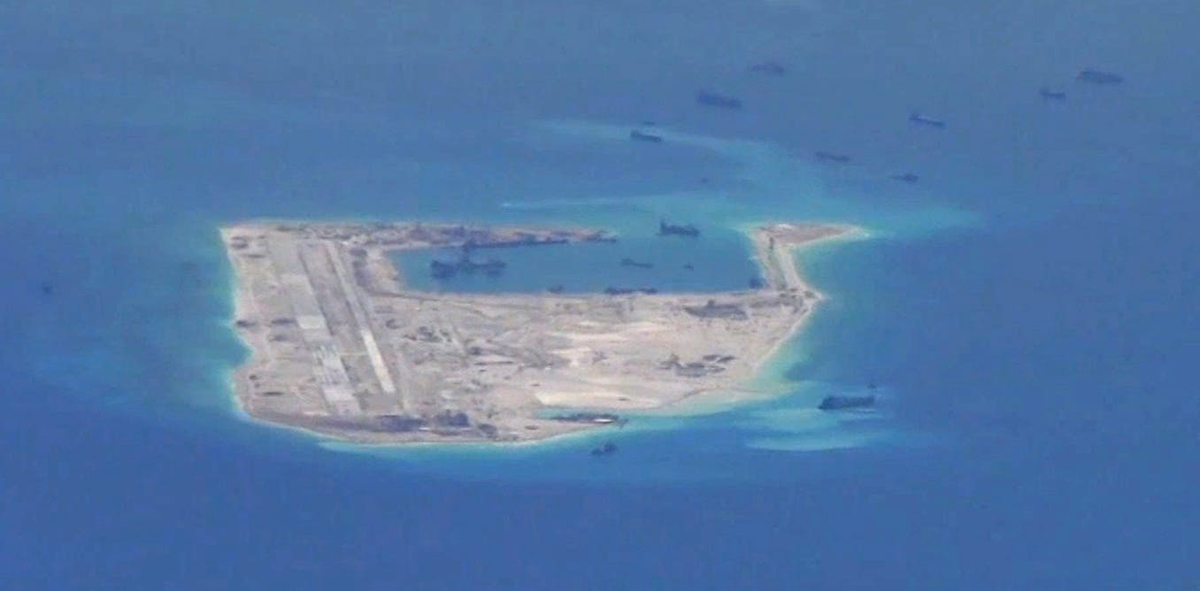
The Philippines is turning to artificial intelligence to bolster its monitoring capabilities in the South China Sea, a region fraught with territorial disputes. This technological pivot is seen as a strategic move to assert its claims and safeguard its waters against encroachments. However, this technological advancement also complicates the geopolitical chessboard, adding a layer of unpredictability to an already tense situation.
Fresh Take
AI's involvement in international disputes is like throwing a high-speed, self-learning wrench into the geopolitical mix. While it offers the potential for better surveillance and strategic insights, it also escalates the stakes, making diplomacy even more complex. It's crucial that as AI continues to evolve, we balance its capabilities with careful consideration of its ethical and geopolitical impacts.
Read the full fulcrum.sg article → Click here