The Avocado Pit (TL;DR)
- 🤖 GPT-5 and Ginkgo Bioworks' cloud tech drive down protein synthesis costs by 40%.
- 🧬 Closed-loop experimentation is the secret sauce in this scientific cooking show.
- 💸 Cheaper proteins mean a healthier wallet and possibly a healthier you.
Why It Matters
When AI meets biology, it's like peanut butter meeting jelly—unexpectedly delightful. OpenAI's GPT-5 and Ginkgo Bioworks have teamed up in a sci-fi-esque scenario where robots (well, algorithms) are making proteins cheaper and more efficient. A 40% decrease in protein synthesis costs is no small feat, and it suggests that AI isn’t just for writing cheeky blogs; it’s also revolutionizing how we manufacture life's building blocks.
What This Means for You
For the curious and the hungry (for knowledge and maybe a good burger), this breakthrough could mean more affordable pharmaceuticals, more cost-effective research, and perhaps even cheaper snacks at the grocery store. As costs plummet, accessibility soars, potentially leading to advancements in medicine and biotechnology that were previously as elusive as a unicorn in a desert.
The Source Code (Summary)
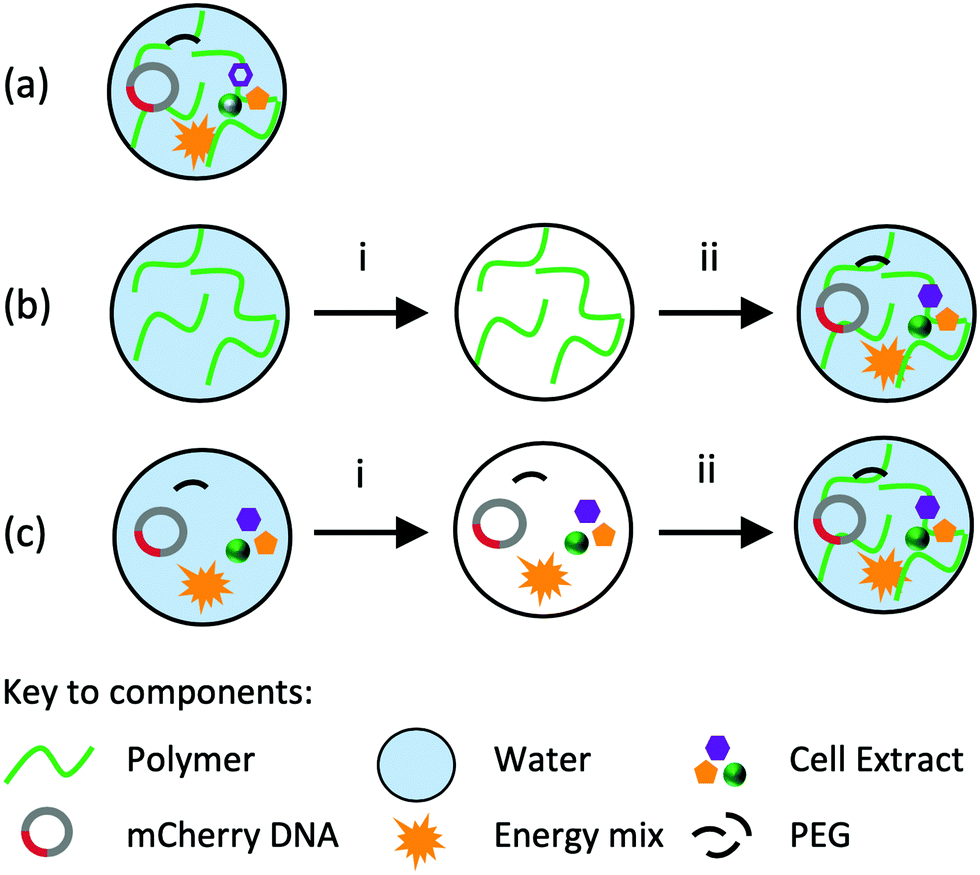
In a harmonious blend of AI prowess and biological genius, OpenAI's GPT-5 has joined forces with Ginkgo Bioworks. Together, they've utilized closed-loop experimentation—a nerdy way of saying they let algorithms tinker until the best recipe was found—to slice cell-free protein synthesis costs by a whopping 40%. This partnership leverages Ginkgo's cloud automation to make the dream team of science and AI a reality.
Fresh Take
This development is a glimpse into a future where AI doesn't just chat with us about our day but actively participates in shaping the economy of science. While it won't solve all our problems (like convincing your cat to stop knocking things off the table), it's a promising step forward. The collaboration between GPT-5 and Ginkgo Bioworks is a testament to the power of combining computational brains with biological brawn, hinting at a new era of technological synergy that could rewrite the rules of research and development.
Read the full OpenAI News article → Click here