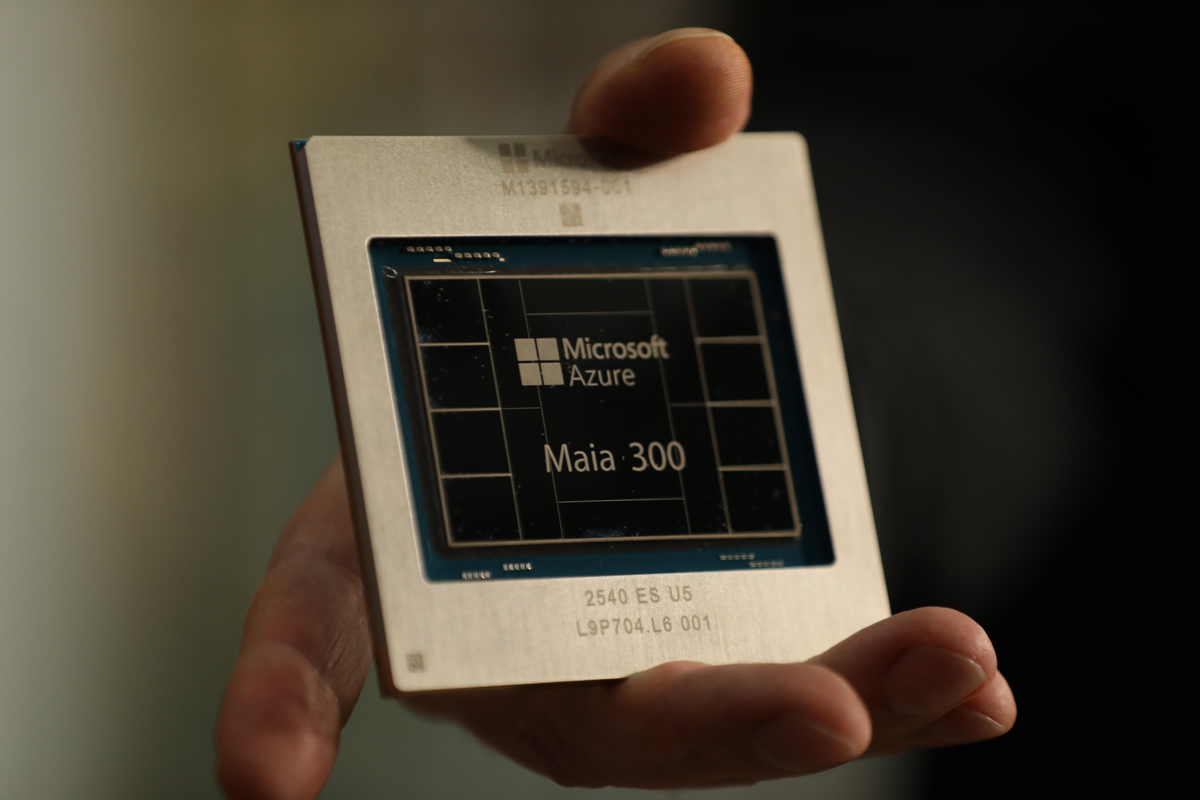
The Avocado Pit (TL;DR)
- 🚀 Microsoft unveils Maia 300, an in-house AI chip boosting efficiency and reducing Nvidia dependency.
- 💰 Promises to cut costs while handling advanced AI workloads.
- 🧠 Designed for Microsoft's cloud services, enhancing AI reasoning and agentic tasks.
Why It Matters
So, Microsoft has decided to take matters into its own silicon-covered hands with the Maia 300. This third-generation AI chip is not just another pretty piece of tech bling; it’s a strategic move to sidestep Nvidia's hefty price tags. In the tech world, that’s like switching from avocado toast to homemade guacamole—a cost-effective twist that doesn’t skimp on flavor.
What This Means for You
For those of us who don't have a PhD in chip wizardry, here's the scoop: More efficient AI processing means faster, smarter cloud services without burning a hole in Microsoft's pocket (or yours). If you're using any Microsoft services, expect a sleeker experience, fewer hiccups, and maybe even a fatter wallet if these savings trickle down to consumers.
The Source Code (Summary)
Microsoft has rolled out its latest AI chip, Maia 300, designed to become the backbone of its AI operations. This chip aims to enhance the cost-effectiveness and efficiency of AI workloads, especially in the cloud. With capabilities geared towards advanced reasoning and handling complex tasks, Maia 300 positions Microsoft as less reliant on Nvidia’s GPUs. This move could potentially reshape the landscape of AI processing, making it more accessible and affordable.
Fresh Take
Alright, tech aficionados, here's the spicy bit: Microsoft's Maia 300 chip could be a game-changer. By reducing reliance on Nvidia, Microsoft is potentially setting a new standard in AI processing. It’s like when your favorite band decides to release their music independently—more creative freedom and fewer strings attached. However, while this move has its merits, the real test will be seeing if Maia 300 can handle the heat of large-scale AI workloads as efficiently as promised. If it can, we might just witness a shift in the AI power dynamics. Stay tuned, because this chip might just chip away at Nvidia's dominance.
Read the full AI | The Verge article → Click here