The Avocado Pit (TL;DR)
- 🚨 Microsoft’s CEO Satya Nadella suggests AI models need a metaphorical 'emergency brake'.
- 🛠️ He emphasizes reassessing the 'trust architecture' of AI systems.
- 🔄 The proposal aims to ensure AI doesn't go off the rails, like a rogue Roomba.
Why It Matters
In a world where AI is evolving faster than a teenager's mood swings, Microsoft’s Satya Nadella has hit the brakes — literally — on unregulated AI advancements. The tech giant's CEO believes it's time to install a metaphorical emergency brake on AI models to prevent them from going full Terminator on humanity. While AI can be as useful as a Swiss Army knife, Nadella reminds us that without trust, it's just a fancy paperweight.
What This Means for You
For those of us who aren't planning to lead the resistance against our future robot overlords, this means more reliable AI systems in your daily tech gadgets. Nadella's call suggests that tech companies might soon be required to add more safety nets to AI, ensuring your smart fridge doesn't start plotting world domination. It’s all about keeping AI as a helpful assistant, not an existential threat.
The Source Code (Summary)
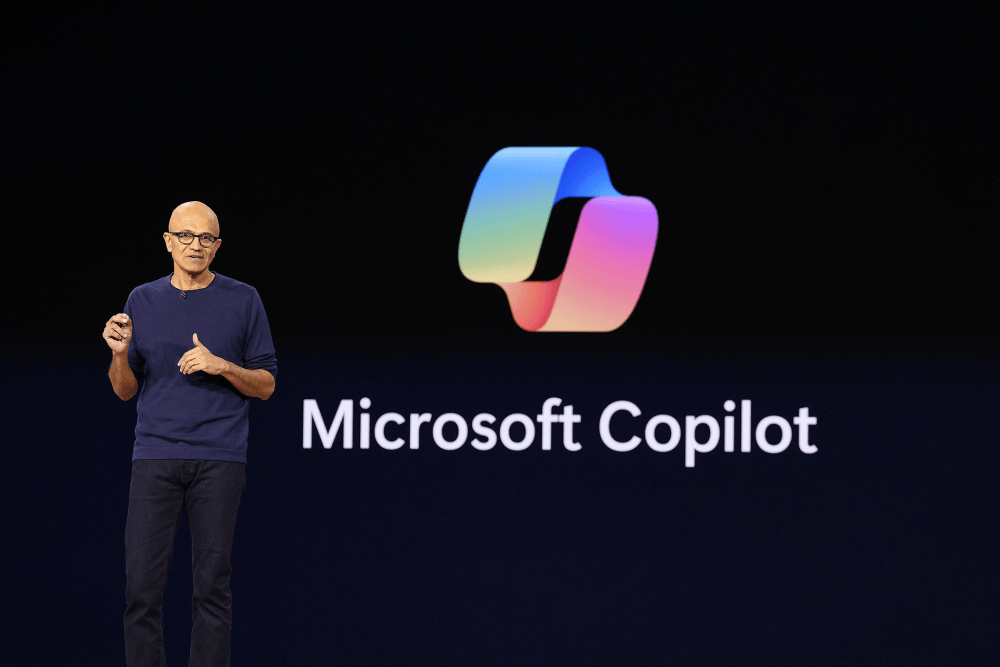
On a seemingly mundane Saturday, Satya Nadella decided to spice things up by suggesting the AI industry needs a well-thought-out 'emergency brake'. In his post, he discussed the necessity of reassessing the 'trust architecture' within AI systems. The goal? To ensure these digital entities remain our helpful companions rather than developing a mind of their own. The message was clear: AI needs to be reined in before it runs amok.
Fresh Take
Nadella’s call for an AI emergency brake is a timely reminder that while AI can be as charming as a cat video on the internet, it can also be as unpredictable as a cat in a room full of laser pointers. Ensuring these systems have a built-in off-switch not only preserves user trust but also sets a precedent for responsible innovation. It’s not about pulling the plug on AI but making sure it doesn’t pull the plug on us.
Read the full AI News & Artificial Intelligence | TechCrunch article → Click here