The Avocado Pit (TL;DR)
- 🥑 Nvidia bankrolls Simplismart, a savvy startup slashing AI's GPU appetite.
- 🚀 Simplismart's revenue skyrockets 14-fold in six months — U.S. is loving it!
- 🌍 Fewer GPUs = Greener AI. Is this the start of a new efficiency craze?
Why It Matters
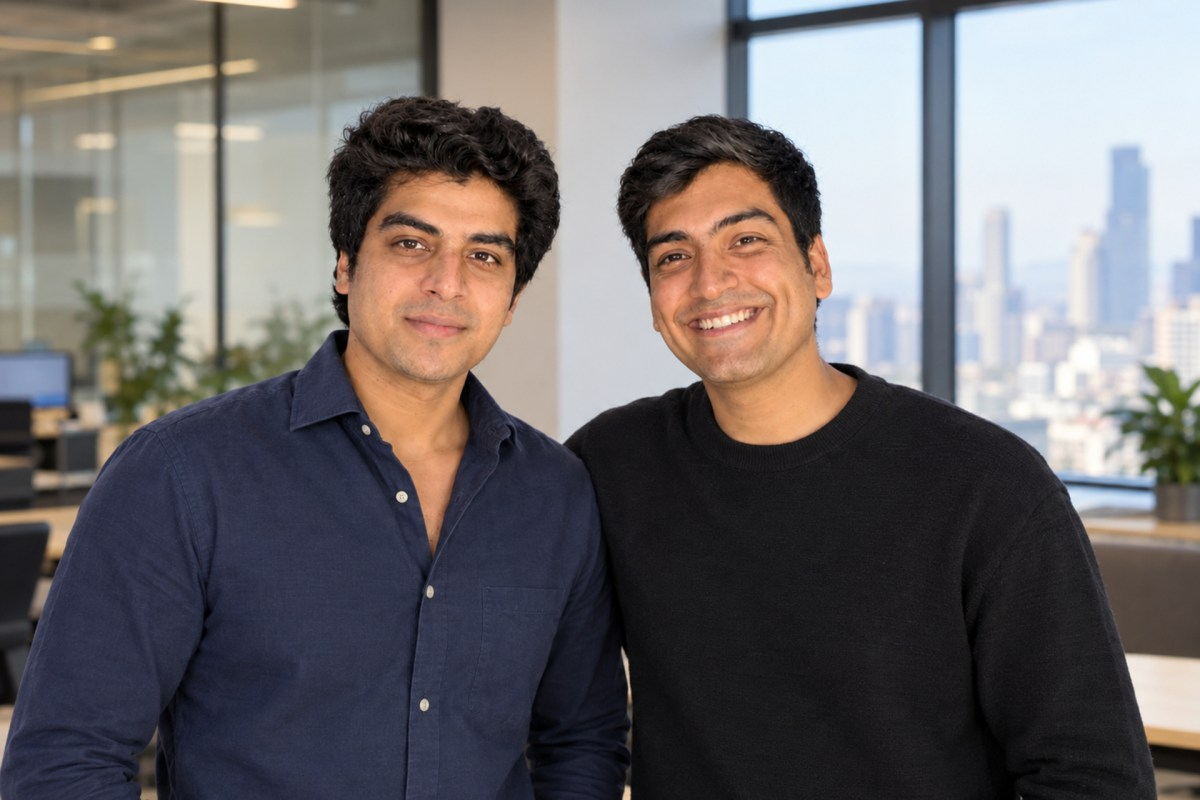
Nvidia just threw its considerable hat into the ring by backing Simplismart, an Indian startup that’s getting AI models to work smarter, not harder — or should I say, with fewer GPUs. In a world where AI efficiency is the new black, this could mean big things for both the environment and our wallets. Who knew less could be more in the tech world?
What This Means for You
For the techie on a budget, this is music to your ears. Simplismart's tech means you might not need to mortgage your house to afford those extra GPUs for your AI hobby. Plus, as companies save on hardware, they might pass the savings on to you. Or, you know, just up their profit margins. Either way, it's a win for AI efficiency.
The Source Code (Summary)
In a nutshell, Nvidia is backing Simplismart, an Indian startup that’s engineered a way to run AI models with fewer GPUs. This is a big deal because GPUs are the beefy lifeblood of AI operations, and they don't come cheap. Simplismart's annualized revenue run rate has rocketed 14-fold in just half a year, with over half of that revenue coming from the U.S. market. Clearly, they've struck a chord on this side of the pond.
Fresh Take
Nvidia's move is not just a business investment; it’s an acknowledgment that AI’s future might not be in bigger, faster, stronger, but in leaner, meaner, and greener. While the rest of us are fixated on the latest AI models like OpenAI's GPT-5 or Google's Gemini 4 Argon, Simplismart is proving that sometimes less is more, and efficiency is the new frontier. This could be the start of a trend where AI not only gets smarter but also more sustainable. And let's be honest, in 2026, that's the kind of future-forward thinking we can all get behind.
Read the full AI News & Artificial Intelligence | TechCrunch article → Click here