The Avocado Pit (TL;DR)
- 🧠 NVIDIA's CEO claims the AI apocalypse chatter is more sci-fi than reality.
- 🚀 Too much doom and gloom? It's impacting societal progress and AI safety.
- 📢 Calls for a balanced dialogue to ensure AI benefits everyone, not just Skynet.
Why It Matters
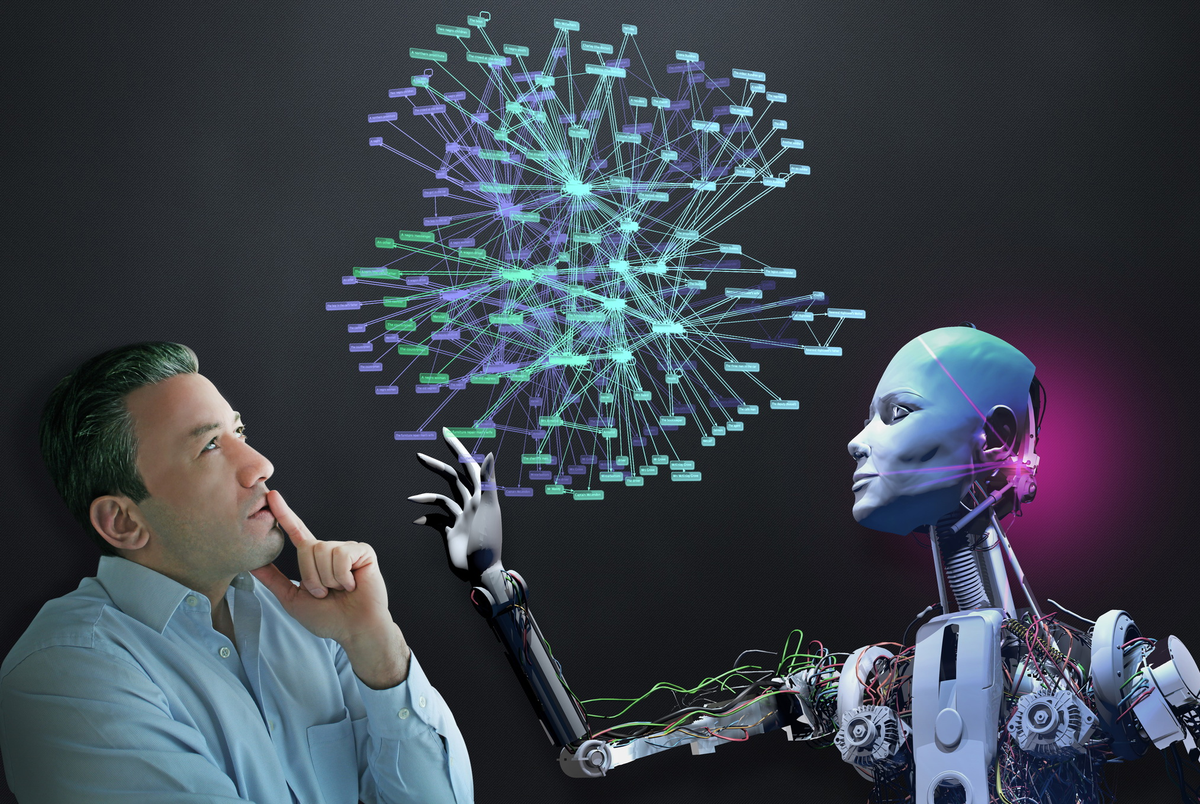
The tech world is buzzing, and not just because someone left their phone on vibrate. Jensen Huang, NVIDIA's CEO, has stepped into the spotlight—not to announce a new graphics card, but to tackle the AI "doom narrative." According to him, the persistent harping on AI's potential to become humanity's worst enemy is causing more harm than good. It's like worrying about alien invasions while ignoring climate change. Spoiler alert: one is more immediate.
What This Means for You
Fear not, fellow earthlings! The real danger isn't AI overthrowing humanity; it's the fear itself. This narrative can stifle innovation, discourage talent, and divert resources from constructive AI development. So, next time you read an AI apocalypse headline, remember: the future of AI might not be all doom and gloom. Instead, consider how AI could help you finally organize your photo library or recommend a movie you haven't seen a million times.
The Source Code (Summary)
Jensen Huang of NVIDIA is sounding the alarm—not about AI itself, but about the negativity surrounding it. He argues that the pervasive "doom narrative" is not only unfounded but also detrimental. By focusing excessively on potential threats, we're losing sight of AI's transformative potential and its positive societal impacts. Huang suggests a shift towards a more balanced discussion, one that acknowledges AI's challenges while celebrating its possibilities.
Fresh Take
In a world where news cycles thrive on drama, it's refreshing to see a tech leader advocating for reason and balance. Huang's stance invites us to rethink our approach to AI. Instead of fearing the robot apocalypse, we should be asking how AI can tackle real-world problems like disease, climate change, and, yes, even that pesky spam folder. So, let's put down the tinfoil hats and pick up some AI literacy. After all, the future might not be written by AI, but it sure will be influenced by how we choose to talk about it today.
Read the full Windows Central article → Click here