NVIDIA Researchers Introduce Physis-Lang: Self-Evolving Physical Language That Lifts Cosmos 3 Past Veo 3.1 on Physics Benchmarks
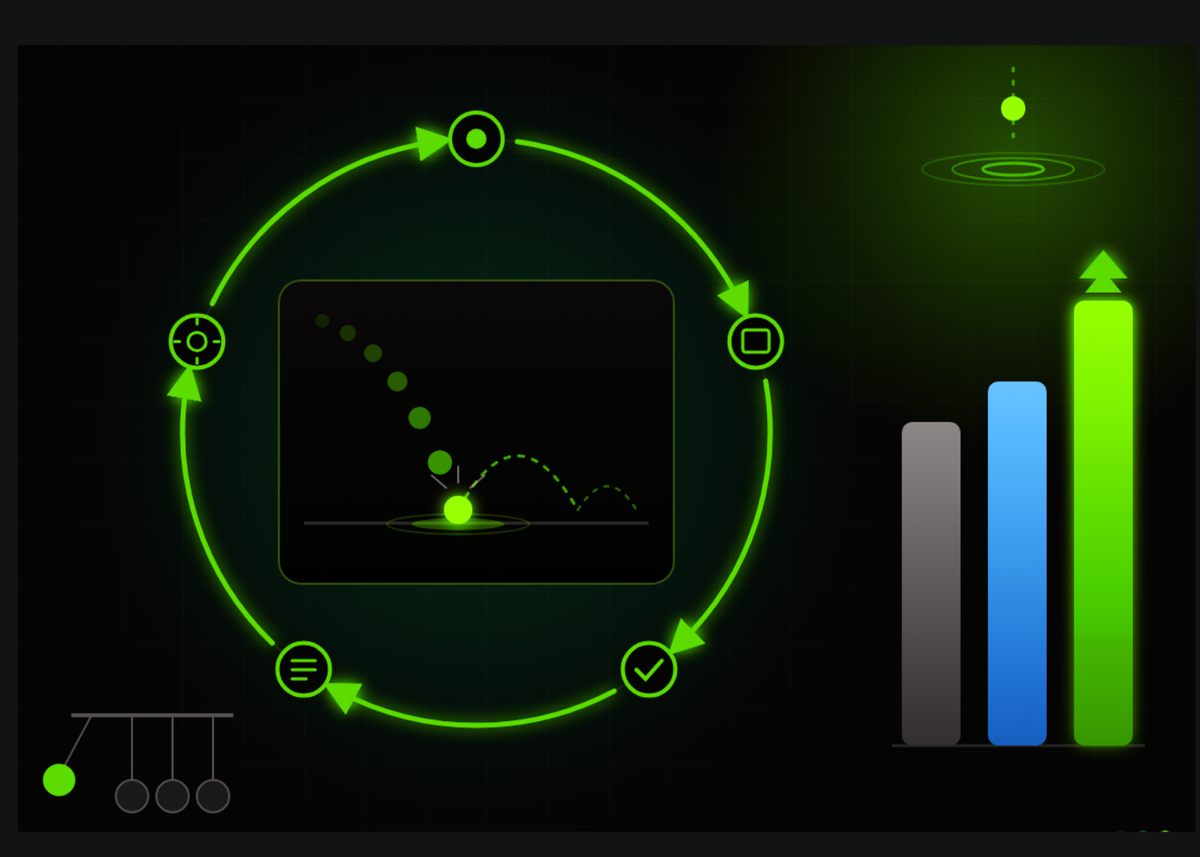
The Avocado Pit (TL;DR)
- 🚀 NVIDIA's Physis-Lang teaches video models real physics, beating Veo 3.1.
- 🎥 No more paint-like butter or ghost balls passing through walls.
- 🌌 Combines NVIDIA's prowess with MIT and Oxford's brains for cosmic results.
Why It Matters
In the world of AI, where video models often depict physics like a child's drawing—think butter that spreads like paint and balls that ignore the laws of matter—NVIDIA's latest innovation is a game-changer. Physis-Lang, a self-evolving physical language, is here to save virtual worlds from their own chaos, bringing order where there once was digital anarchy.
What This Means for You
For the tech enthusiast, this means more realistic simulations in video content—finally, no more cringing at CGI that defies logic. For developers, it’s a new tool in the arsenal, allowing AI to naturally learn and apply the rules of physics without needing a babysitter. And for the everyday viewer? A more immersive, believable digital experience that doesn't make you feel like you're watching a glitchy simulation.
The Source Code (Summary)
NVIDIA, in collaboration with the sharp minds at MIT and the University of Oxford, has introduced Physis-Lang—a framework that fundamentally changes how video world models understand and implement physical laws. Unlike previous models that relied heavily on visual and numerical signals, Physis-Lang uses a shared, optimizable language to bridge the gap between simulation and reality. This breakthrough has propelled NVIDIA’s Cosmos 3 past the previous benchmark leader, Veo 3.1, setting a new standard for realism in AI-rendered video content.
Fresh Take
NVIDIA's Physis-Lang is like that unexpected twist in your favorite sci-fi series—equal parts surprising and inevitable. It's a reminder that sometimes the best way to fix a problem is to change the language, literally. By teaching AI models a 'physical language,' NVIDIA isn't just pushing the envelope; they're rewriting the rules of the game. It’s a bold move, and while it might not solve all of AI's quirks (looking at you, uncanny valley), it’s a significant step toward more realistic digital worlds. Here’s to hoping our virtual butter finally behaves.
Read the full MarkTechPost article → Click here