The Avocado Pit (TL;DR)
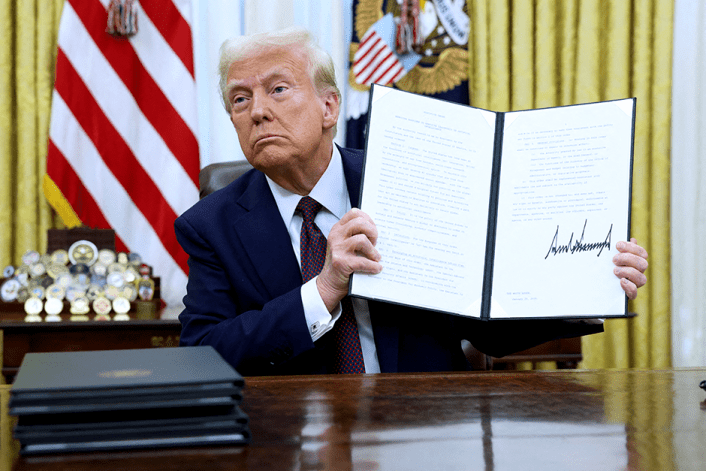
- 🍊 Trump has signed an executive order that halts state-level AI regulations.
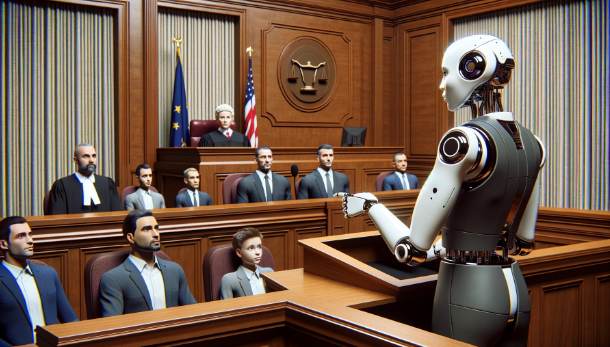
- 🏛️ This move centralizes AI oversight at the federal level, stirring a political pot.
- 🧠 The decision raises questions about innovation, control, and the future of state autonomy.
Why It Matters
In a move as unexpected as finding an avocado perfectly ripe, former President Donald Trump has signed an executive order that pulls the plug on state-level AI regulations. This action centralizes AI policy under federal jurisdiction, essentially declaring, "Leave it to the big guys in Washington, folks!" But why should you care? Well, this decision touches everything from innovation and privacy to political power plays, making it a hot topic for tech enthusiasts and policy wonks alike.
What This Means for You
For the average technophile, Trump's order is a double-edged sword. On one side, it might streamline AI development, ensuring uniform guidelines across the country. On the other, it could stifle the unique needs and innovations emerging from individual states. As AI continues to evolve, so too will the debate over who gets to control its reins—state governments or Uncle Sam himself?
The Source Code (Summary)
Trump's executive order effectively blocks states from creating their own AI regulations, consolidating control at the federal level. This move is seen by some as a way to ensure consistency in AI policy across the nation, while others view it as a power grab that limits states' rights. The order has sparked debate about its impact on innovation, privacy, and the balance of governmental power. As AI becomes increasingly integral to daily life, these discussions are more relevant than ever.
Fresh Take
Here's where things get juicy. Centralizing AI regulation could be seen as a way to prevent a chaotic patchwork of state laws that could hinder technological advancement. However, it also raises concerns about federal overreach and the stifling of state-led innovation. Balancing national security with the freedom to innovate is a tightrope walk, and with AI rapidly advancing, the stakes are only getting higher. Whether this order will lead to a streamlined future or a bureaucratic quagmire remains to be seen, but it's clear that the conversation around AI regulation is only just beginning.
Read the full The Colorado Sun article → Click here