
The Avocado Pit (TL;DR)
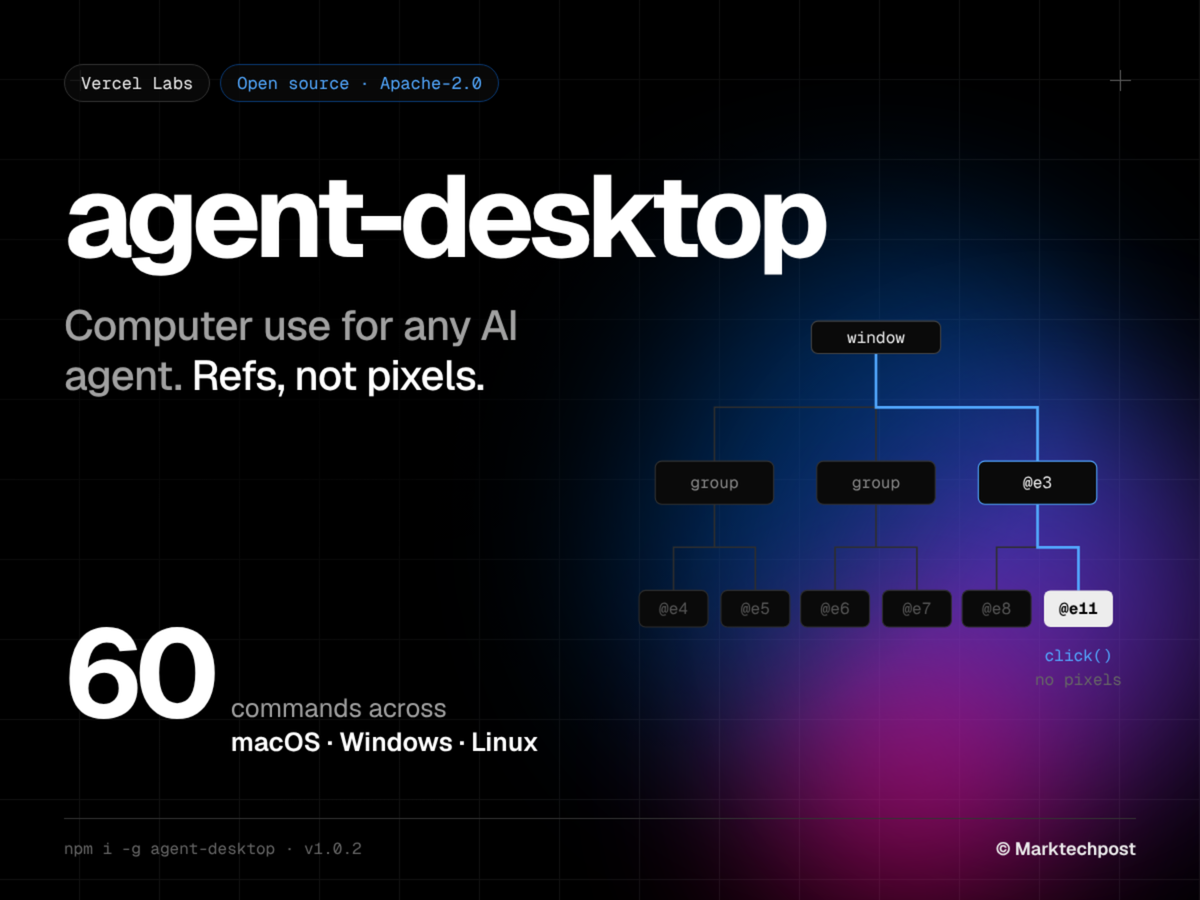
- 🥑 Vercel's agent-desktop is now open-source, allowing AI agents to interact with macOS, Windows, and Linux.
- 🎉 The tool uses OS accessibility trees, skipping the pixel headaches.
- 🚀 Built in Rust, it's Apache-2.0 licensed, ensuring a smooth ride for developers.
Why It Matters
In a world where AI agents are as ubiquitous as those pesky pop-up ads, Vercel Labs has just launched a game-changer. Their open-source tool, agent-desktop, might just be the superhero cape your AI agent was missing. By leveraging OS accessibility trees instead of relying on those fickle pixels, it's like giving your AI X-ray vision to navigate macOS, Windows, and Linux. And they did it all in Rust, because why not add some speed and safety while we're at it?
What This Means for You
If you're a developer or a tech enthusiast, this means your AI agents can now operate more efficiently across different operating systems. No more pixel-pushing drama—just smoother, more reliable interactions. It's like upgrading from a tricycle to a turbo-charged electric scooter, but for AI.
The Source Code (Summary)
Vercel Labs has taken a bold step by open-sourcing their agent-desktop, a Rust CLI tool designed to help AI agents interact seamlessly with major operating systems. This tool dives deep into OS accessibility trees, allowing agents to function smoothly without pixel-based hiccups. And with an Apache-2.0 license, it's free for anyone to use and modify. Check out the full scoop over at MarkTechPost.
Fresh Take
This move by Vercel Labs feels like opening the door to AI's full potential in desktop environments. By sidestepping the pixel maze, AI agents can now focus on what they do best—making our lives easier. Plus, Rust's reputation for safety and performance makes it a solid choice for such an ambitious project. So, kudos to Vercel for giving our digital helpers a new playground where they can thrive without stumbling over pixels.
Read the full MarkTechPost article → Click here