
The Avocado Pit (TL;DR)
- 🏥 Operating rooms lose 2-4 hours daily due to coordination chaos, not surgeries.
- 🤖 Akara suggests AI could streamline scheduling and logistics, saving hospitals money.
- 🔍 The focus is on practical solutions, not sci-fi robot surgeons.
Why It Matters
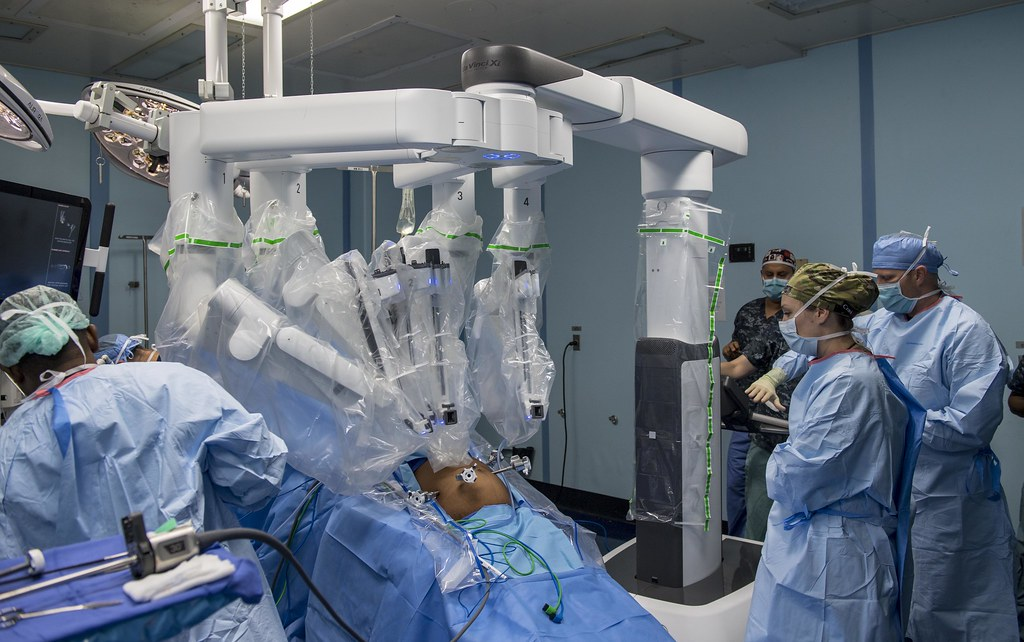
Let's face it—when you're under the knife, the last thing you want is a scheduling snafu. Yet, hospitals are losing hours each day to operating room chaos. Enter AI: not just a sci-fi dream but a practical solution to streamline the medical circus. Akara, a company making waves in healthcare tech, believes AI can turn the OR from a logistical nightmare into a well-oiled machine. So, while robot surgeons aren't quite ready to swap scalpels with McDreamy, AI is here to save the day... and a few million dollars in the process.
What This Means for You
If you're a patient, this means less waiting and more efficient care. For healthcare professionals, AI could mean fewer headaches from scheduling nightmares and more time focusing on patient care. Plus, hospitals could save a pretty penny, which might just translate into lower bills for everyone. Win-win!
The Source Code (Summary)
According to TechCrunch, Akara has spotlighted the inefficiencies in operating rooms—think of them as the Bermuda Triangle of hospital time management. The issue isn't the surgeries but everything in between: manual scheduling, endless paperwork, and logistical hiccups. AI offers a solution by optimizing these processes, potentially saving hospitals significant time and money.
Fresh Take
The operating room might not yet be a scene from a futuristic medical drama, but AI is making strides in transforming it from a logistical mess into a model of efficiency. Akara's focus on realistic, manageable improvements rather than pie-in-the-sky robotics is a sensible approach. Who knew that the key to a smoother surgery day wasn't a surgical robot, but a little software savvy? It's time for the OR to catch up to the 21st century—stat!
Read the full AI News & Artificial Intelligence | TechCrunch article → Click here